Upcoming Space Events:
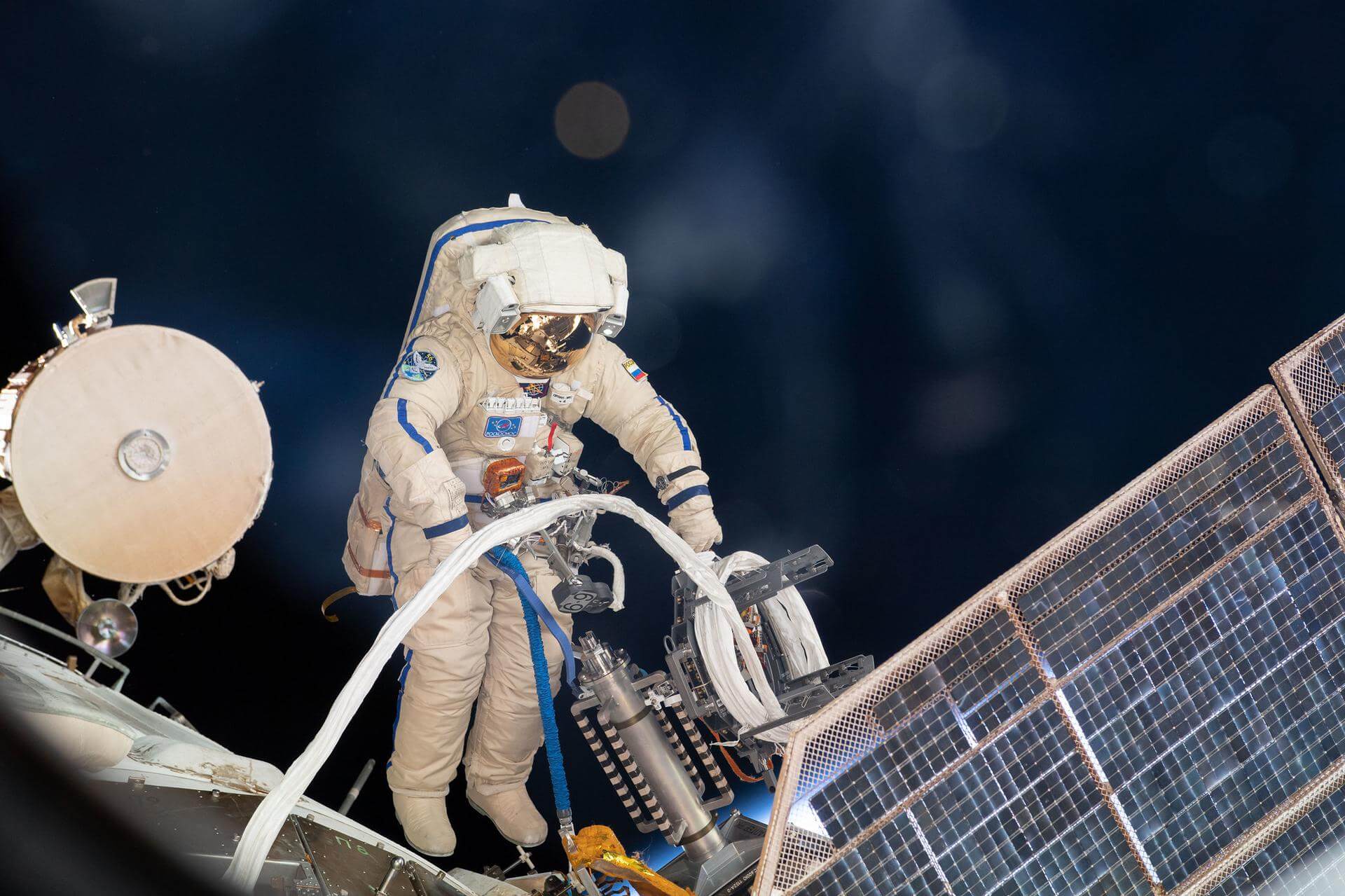
Russian EVA-62
Russian cosmonauts Oleg Kononenko and Nikolai Chub will perform an EVA removing and installing hardware on the orbital outpost’s Roscosmos segment of the International Space Station, including installing several material exposure experiments.
Event Location: International Space Station
UTC Event Time: April 25, 2024, 2:55 p.m.
Watch the Event: https://www.youtube.com/watch?v=B4vOcy4SpYk
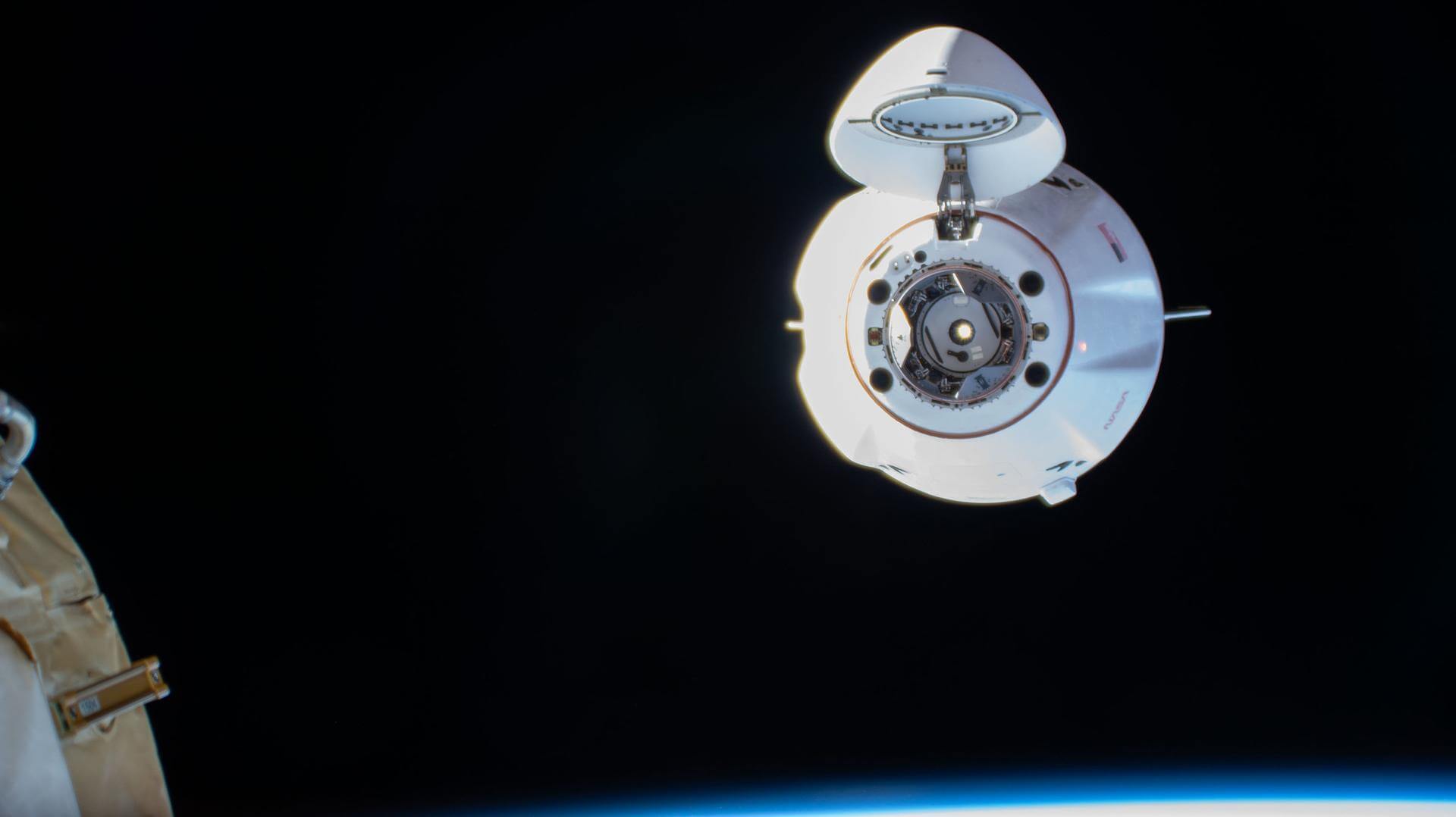
CRS-30 Dragon Undocking
The SpaceX CRS-30 Dragon spacecraft will undock from the International Space Station ahead of its reentry, splashdown and recovery.
Event Location: International Space Station
UTC Event Time: April 26, 2024, 5:05 p.m.
Watch the Event: https://www.youtube.com/watch?v=5PA1qhzkSlA
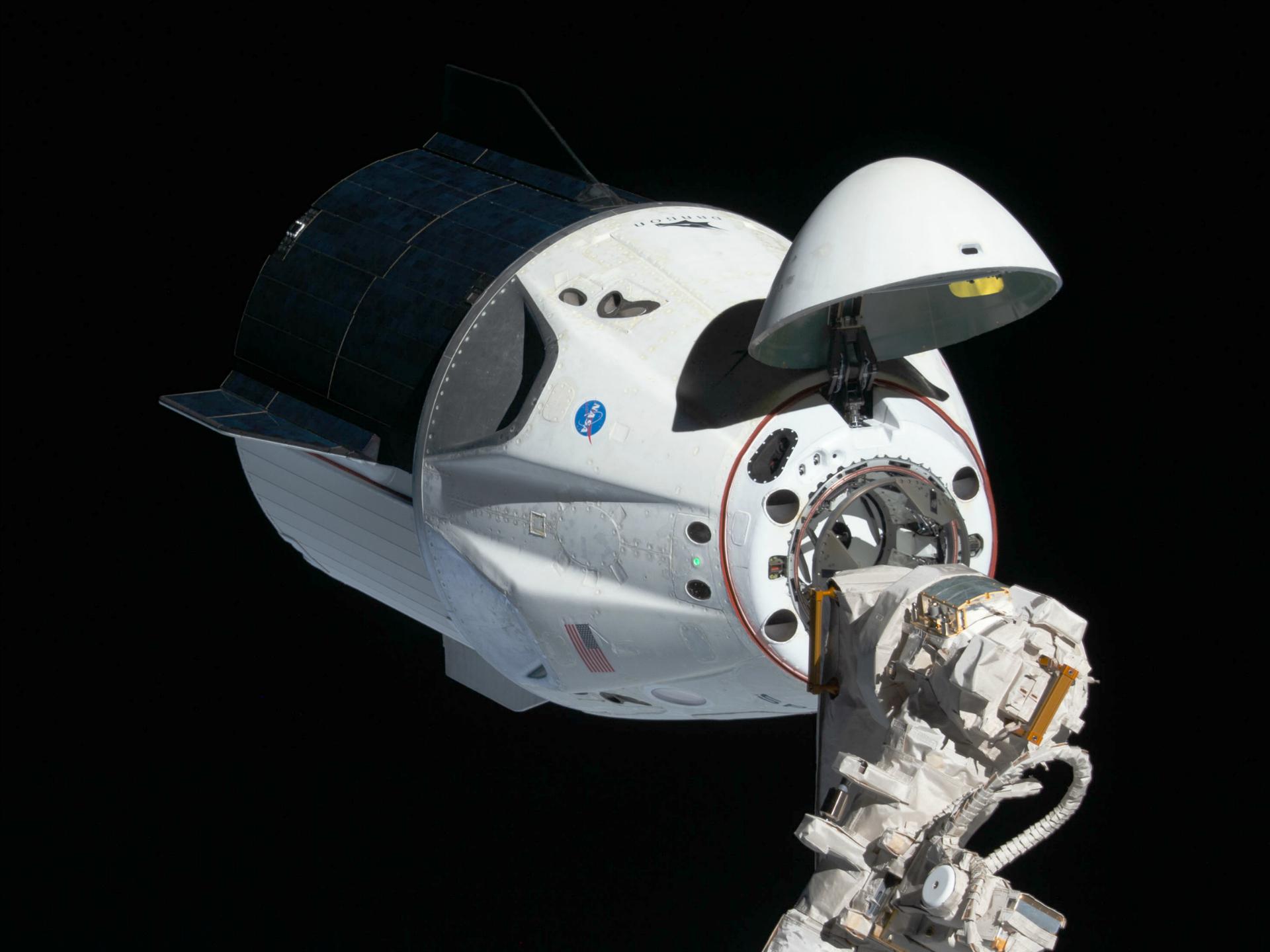
Crew-8 Crew Dragon Relocation
Crew-8 astronauts will relocate the Crew Dragon spacecraft from the forward port of the Harmony module to its zenith port.
Event Location: International Space Station
UTC Event Time: April 30, 2024, 11:45 a.m.
Watch the Event: https://www.youtube.com/watch?v=21X5lGlDOfg
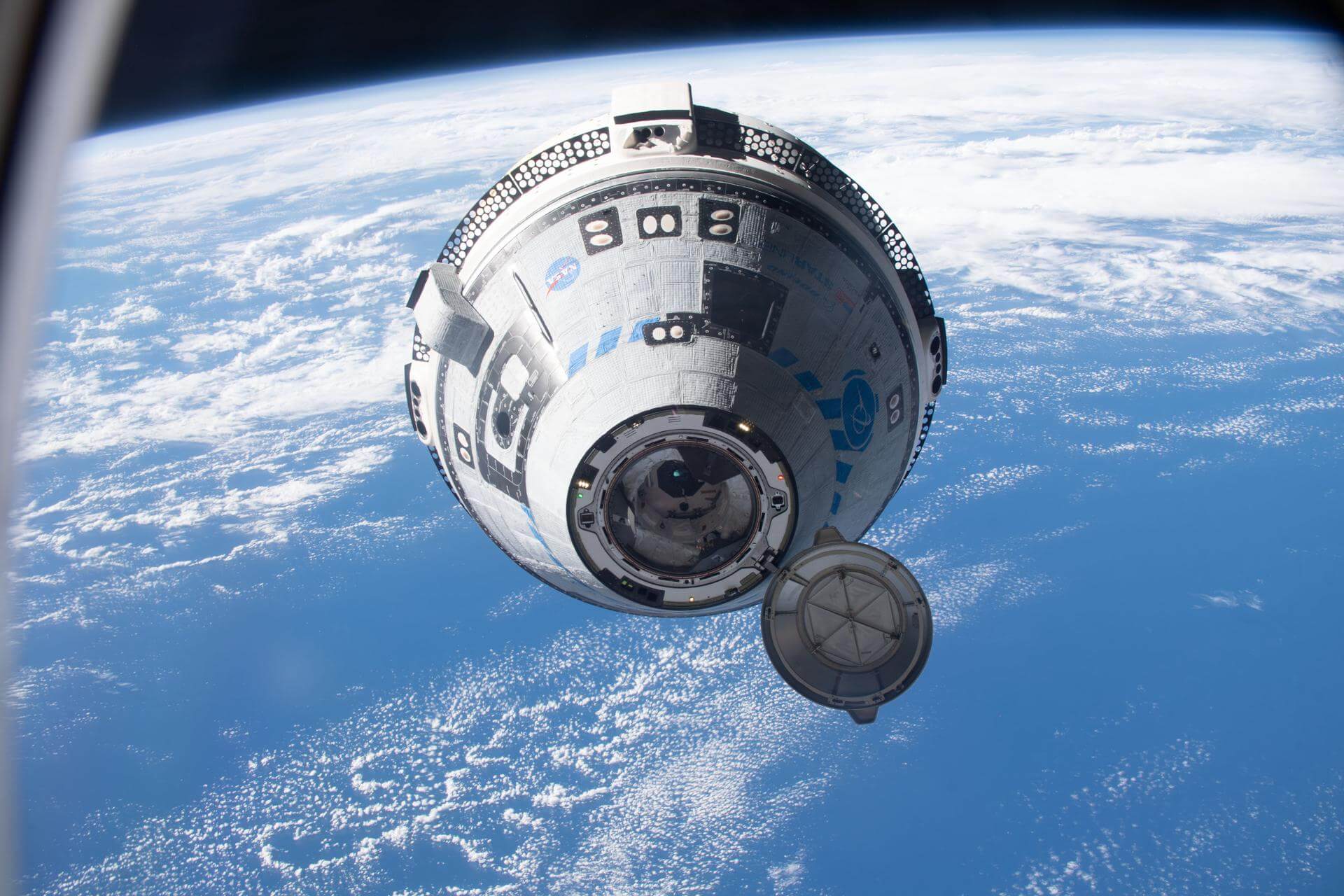
Boeing Starliner CFT Docking
The Boeing CST-100 Starliner will dock with the International Space Station as part of its crewed test flight.
Event Location: International Space Station
UTC Event Time: May 31, 2024, midnight
Watch the Event: https://www.youtube.com/watch?v=21X5lGlDOfg
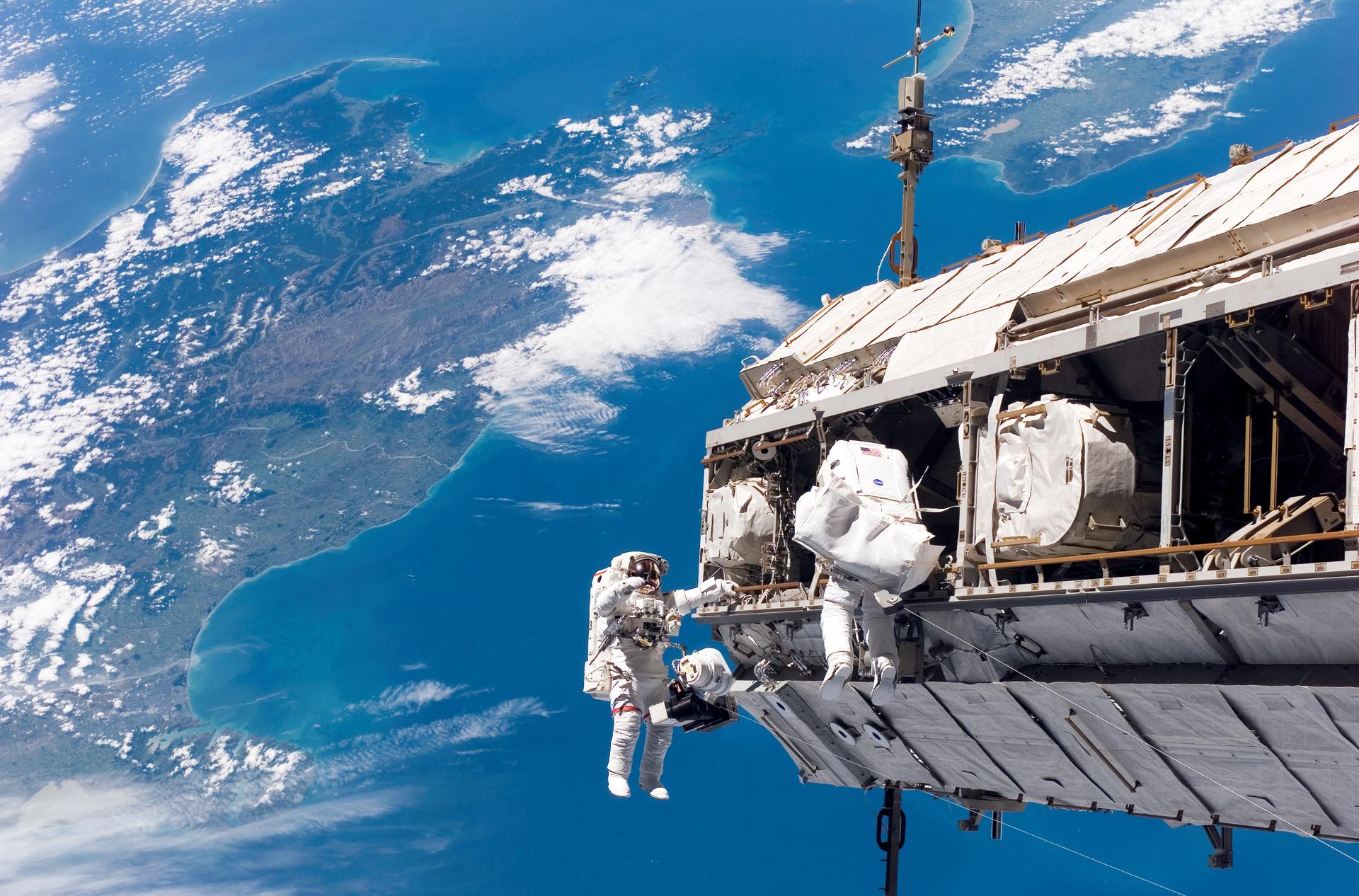
US EVA-90
Astronauts will exit the station’s Quest airlock to collect microorganism samples and install a new high definition camera on the ISS truss.
Event Location: International Space Station
UTC Event Time: May 31, 2024, midnight
Watch the Event: https://www.youtube.com/watch?v=21X5lGlDOfg
Boeing Starliner CFT Undocking
The Boeing CST-100 Starliner will undock from the International Space Station and conduct a deorbit burn as part of its crewed test flight. Following the deorbit burn the capsule will renter the Earth's atmosphere and land at the 'White Sands Missile Range' using its parachutes.
Event Location: International Space Station
UTC Event Time: May 31, 2024, midnight
Watch the Event: https://www.youtube.com/watch?v=21X5lGlDOfg
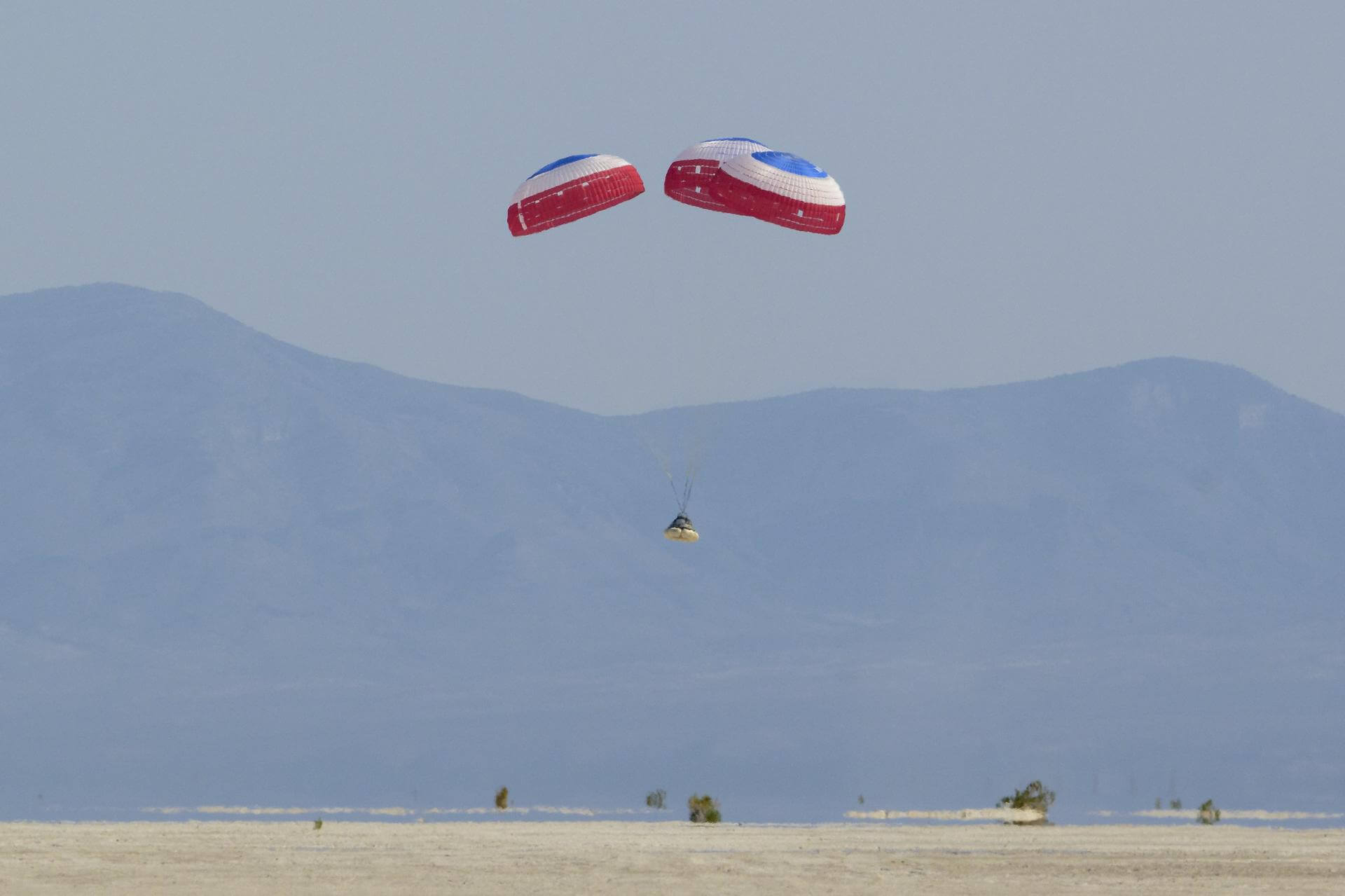
Boeing Starliner CFT Landing
Following its deorbit burn, the Boeing CST-100 Starliner will reenter the Earth's atmosphere and land at the White Sands Missile Range using its parachutes.
Event Location: White Sands Missile Range
UTC Event Time: May 31, 2024, midnight
Watch the Event: https://www.youtube.com/watch?v=21X5lGlDOfg
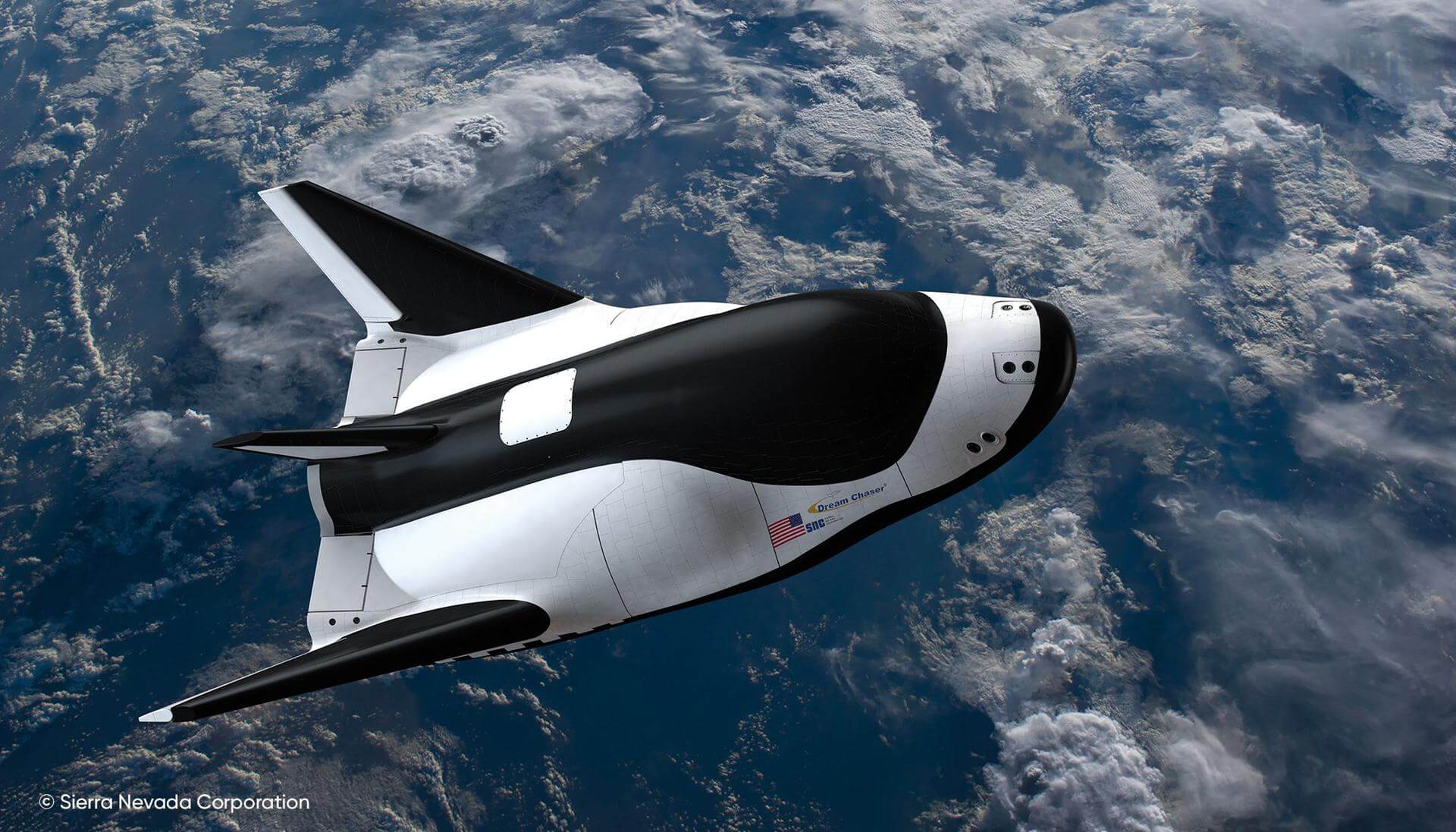
SNC-1 Dream Chaser Berthing
NASA TV will livestream the rendezvous and capture of Sierra Nevada Corporation's Dream Chaser cargo craft to the International Space Station.
Event Location: International Space Station
UTC Event Time: July 31, 2024, midnight
Watch the Event: https://www.youtube.com/watch?v=21X5lGlDOfg
SNC-1 Dream Chaser Release & Reentry
The Sierra Nevada Corporation SNC-1 Dream Chaser will be unberthed from the ISS before re-entering the Earth's atmosphere and landing at Kennedy Space Center.
Event Location: International Space Station
UTC Event Time: July 31, 2024, 1 a.m.
Watch the Event: https://www.youtube.com/watch?v=21X5lGlDOfg
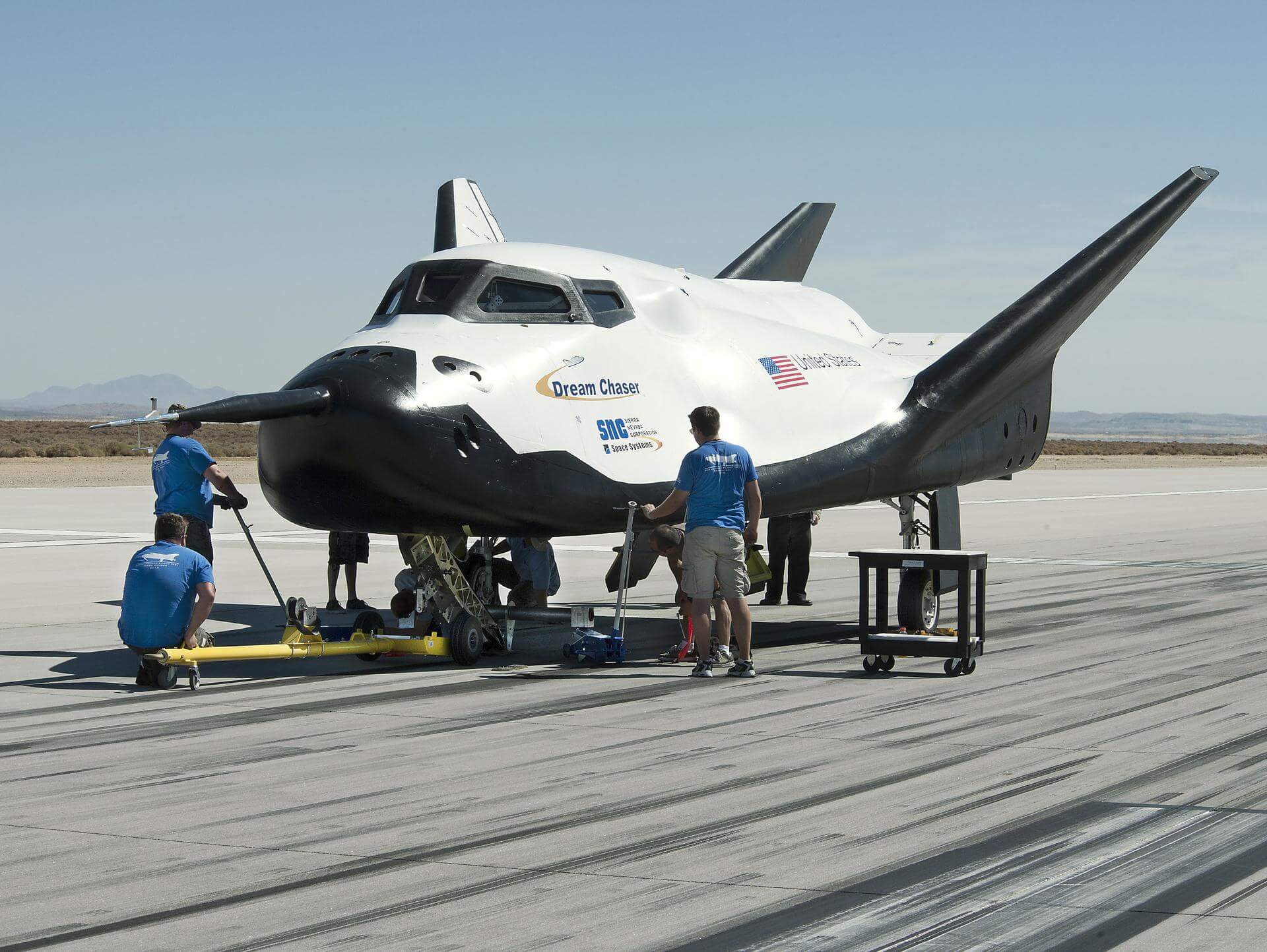
SNC-1 Dream Chaser Landing
The Sierra Nevada Corporation SNC-1 Dream Chaser will land autonomously at the Launch and Landing Facility of Kennedy Space Center.
Event Location: Kennedy Space Center, FL, USA
UTC Event Time: July 31, 2024, 2 a.m.
Watch the Event: https://www.youtube.com/watch?v=21X5lGlDOfg